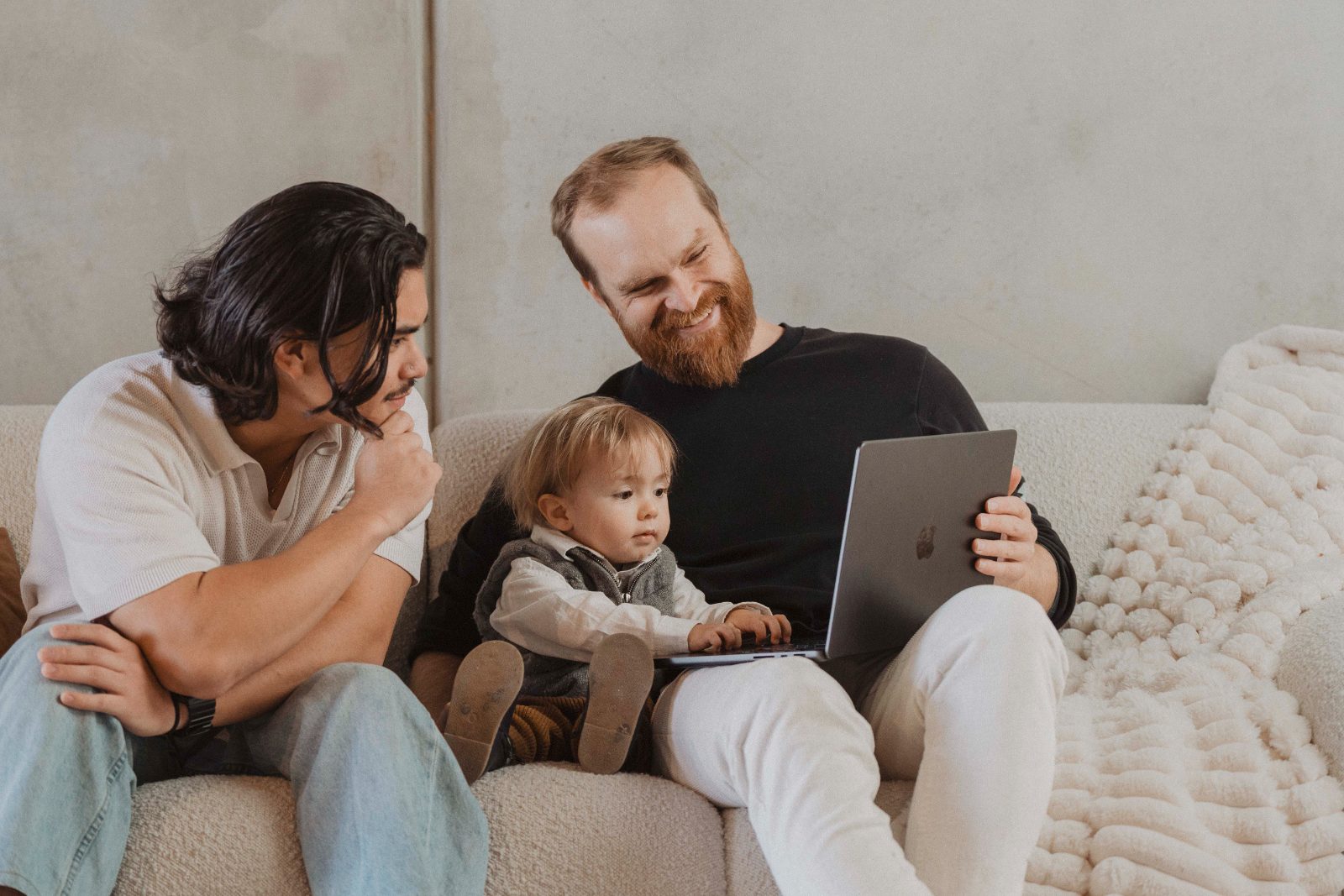
Think of it like the the world's tidiest shared workspace. There's a kitchen, a roomful of people doing their best work, and a short list of unspoken rules that keep it all moving.
We're a small mix of creatives, marketers and shooters sharing one warehouse with a working studio and a working agency. This page is the friendly version of how the space runs, not a contract, not a rulebook, just the things we'd tell you over a coffee on your first day.
Most of it is common sense. The rest is the small stuff that makes shared spaces good places to be.
A dozen of them. Read once, internalise, never need again. We left "be a decent human" off the list because if you need it written down, you might be in the wrong room.
Wipe down your desk at the end of the day. Mugs back to the kitchen. Cables looped. An uncluttered desk usually means an uncluttered mind, yours, and the next person's who walks past.
If you used a mug, it goes in the dishwasher. Not the sink, not the desk. Coffee station and steamer are shared, leave them like you'd want to find them. Don't take other people's food or coffee without asking; we know it sounds obvious, and yet.
Phone call, Zoom, a voice memo with feedback, step outside or find a quiet corner. Headphones for music unless the space is genuinely empty. The open floor is for working, not broadcasting.
Most members have a daily deep-work block, usually mornings. If someone looks in the zone, treat them like they are. Slack the question. Catch them at lunch. Don't interrupt deep work without asking.
Bring a sweater. Take one off. The aircon is set for the space, not for you specifically. We've all worked in places where the temperature war never ended, let's not.
Internal bin smelly or stacked? Take it to the big blue bin out front. We recycle paper, plastic and cans in the cupboard under the microwave. Last person to notice owns it, that's the only rule on that one.
If you're the last out at night: quick sweep, screens off, kitchen appliances off, windows shut, roller door down, front door locked. Solar offsets a lot, but nothing offsets a fridge left open. Five-minute habit.
Bringing a client or collaborator in for a session? Give us a heads-up so we can make room and say hi. A guest day pass keeps it simple for anything longer than a quick visit.
Bring your bottle, bring your keep cup. Reusable mugs in the cupboard if you forgot. The roof's already paying its way with solar, let's not undo it with disposables.
Bringing a collaborator for half a day or longer? $40 day pass. Members get four free a year. Friend dropping in for a quick coffee, totally fine, just keep it short. No casual all-day visitors, keeps the space readable.
If you're the last one out, the building gets locked. Front door, roller door, side door. Leave it unlocked and you owe the space a carton of beers. One warning, second time you cover the drinks for everyone. We're not joking, and the space will hold you to it.
There's a cleaning list on the fridge, hostel-style. Take a turn with the bins, run the dishwasher at the end of the day, wash your own plates and cutlery. We stock the snacks, and there's beers in the fridge come Friday. It's a shared kitchen because we share the kitchen.
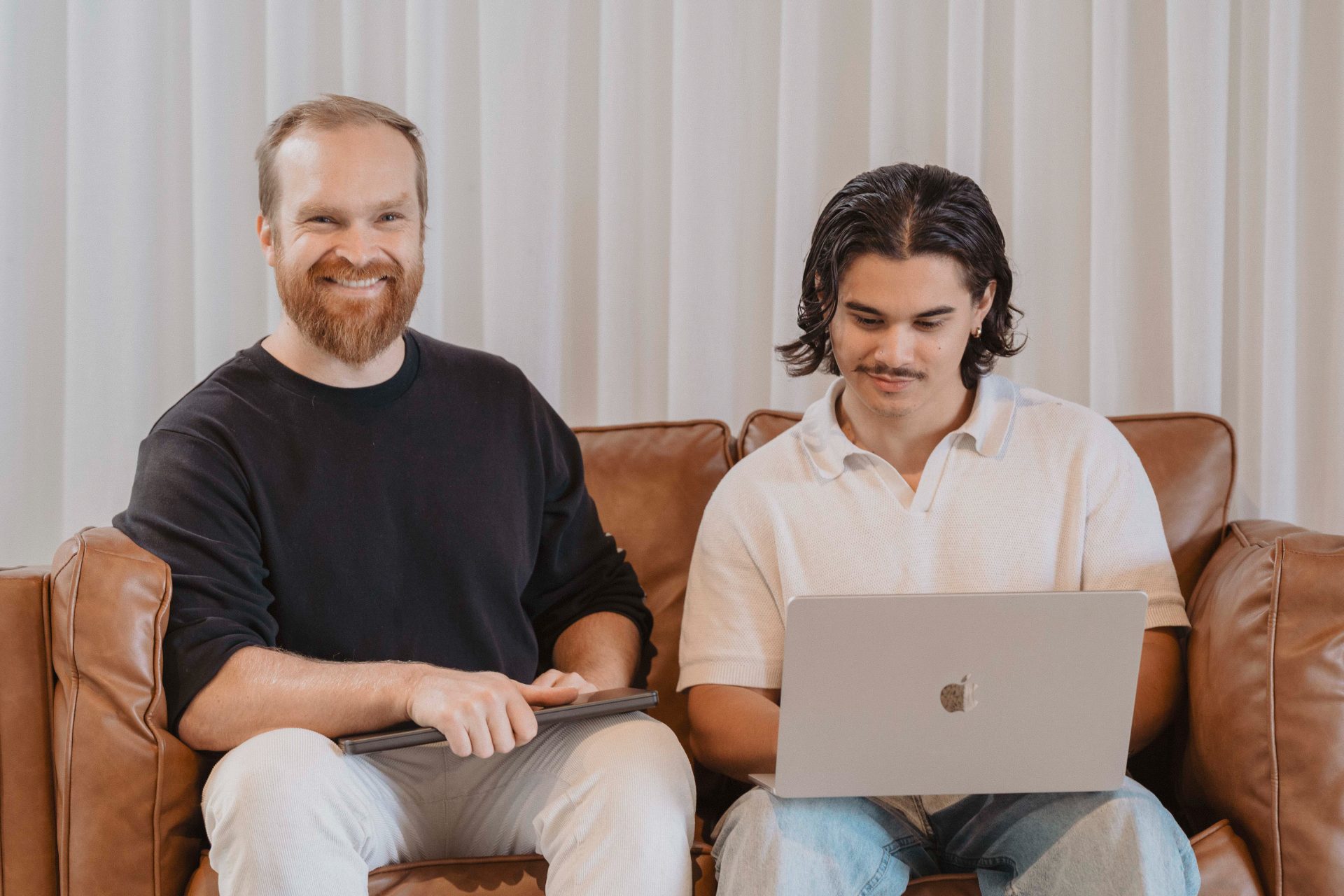
The studio downstairs runs paid shoots. Most days you'd never notice. When the ON AIR light's lit, we ask the whole building to dial it down for an hour or two. Predictable, brief, and the only thing we hold a hard line on.
When the cyclorama or podcast room is recording, we ask the whole building to settle. Socks-on upstairs, calls taken outside, no hallway loitering, no slamming the kitchen door.
One clear warning the first time. Repeat the breach and the subscription ends, no refund on remaining term. We're upfront about this before you sign on.
Why so strict? Because everything else is recoverable, a messy kitchen, a noisy week. An audio breach during a paid shoot is a lost client. The studio pays for half the perks members enjoy. We protect the recording, the recording protects the space.
Shoots cluster on certain days. Knowing the pattern lets you plan your loudest work, your deepest focus, and your calls.
Not rules, rhythms. The unwritten stuff that turns a hot-desk lounge into a working studio you'd actually choose. Read these as invitations, not instructions.
Map your week. Share your priorities. If your work pattern is shifting, if you've got a deadline week, if you're disappearing for a shoot, say so. Surprises burn shared space.
Long days don't impress anyone here. Tight work does. Show up sharp for the hours that matter and disappear cleanly when they don't, we'll respect both.
Brief lands you can't take? Ask the space before you shop it out. The pipeline works because the people in it move work between each other before going wider.
Land a client, ship a build, get on a billboard, finally finish that thing, share it. Loudly. The room's energy is the sum of what we tell each other about. Err loud.
Improve a process, fix a workflow, suggest a tool, sketch a new mechanic. The room is shaped by the people in it. We listen because we have to.
If you've got a beef, talk to the person. If something's broken, tell us. If someone needs a hand and you've got five minutes, give it. This is the actual rule.
Think of this as the welcome chat over coffee. A quick read on how we vibe, so you know what you're in for and what we'd love back. Nothing here is a shock once you're in, it's just the unspoken stuff, spoken.
The ON AIR light means the studio is recording. Settle the volume, take calls outside, walk softly. It's the one we hold a line on.
Japanese-style. The cyclorama stays seamless because every person who steps on it slips their shoes off first. Covers are at the door if you'd rather.
Used it, rinse it, rack it. The kitchen is shared and nobody's cleaning up after the room but the room itself.
Music, videos, voice notes, all through headphones unless the place is empty. The open desks are for heads-down work.
If someone's clearly in the zone, Slack the question or catch them at lunch. We protect each other's flow.
Screens off, appliances off, windows shut, roller door down, front door locked. Five-minute habit. Leave it open, you owe the room a carton.
Bringing a collaborator? Quick heads-up, day pass sorted. Friend for a coffee is fine, just keep it short and tidy.
Changing your rhythm, going away, hit a rough patch? Tell us before it becomes a surprise. Honest and early beats polished and late.
You'll get the full version on day one, walked through in person. This is just the trailer.
Treat others the way you'd want to be treated.
The rest is just specifics.
Necessary, not exciting. Skim it now; you won't think about it again.
You get door codes and your own key after onboarding. Security cameras are active in the common areas (not the bathrooms or studio), standard premises insurance stuff.
We comply with the Work Health and Safety Act 2011 because we have to, and because we genuinely want a building no one gets hurt in. There's a printed Emergency Plan near the front door.
Typical week, two short windows, maybe a 2-hour podcast Wednesday afternoon, a 3-hour video shoot Friday morning. Some weeks zero, some weeks more. Never all-day, never constant, and always scheduled with at least a day's notice. The rest of the time the building is quiet by default.
Audible noise during a scheduled ON AIR window that hits the recording, loud calls on the open floor, hallway chats, slamming doors, heavy footfall. One clear warning the first time. Has to actually reach the microphones, not just exist.
Yep, just step outside or find a quiet corner with headphones, not on the open floor during a recording. It's only ever for the stretch the red light is on.
Check the shoot diary, talk to us early. If you've got a high-volume day clashing with a scheduled shoot, we'll usually shuffle things. The diary isn't precious; the people in it are.
Because everything else is recoverable. A messy kitchen is annoying; an audio breach during a paid shoot is a lost client. The studio is what pays for half the perks members enjoy. Protecting the recording is protecting the space.